Pre-merge
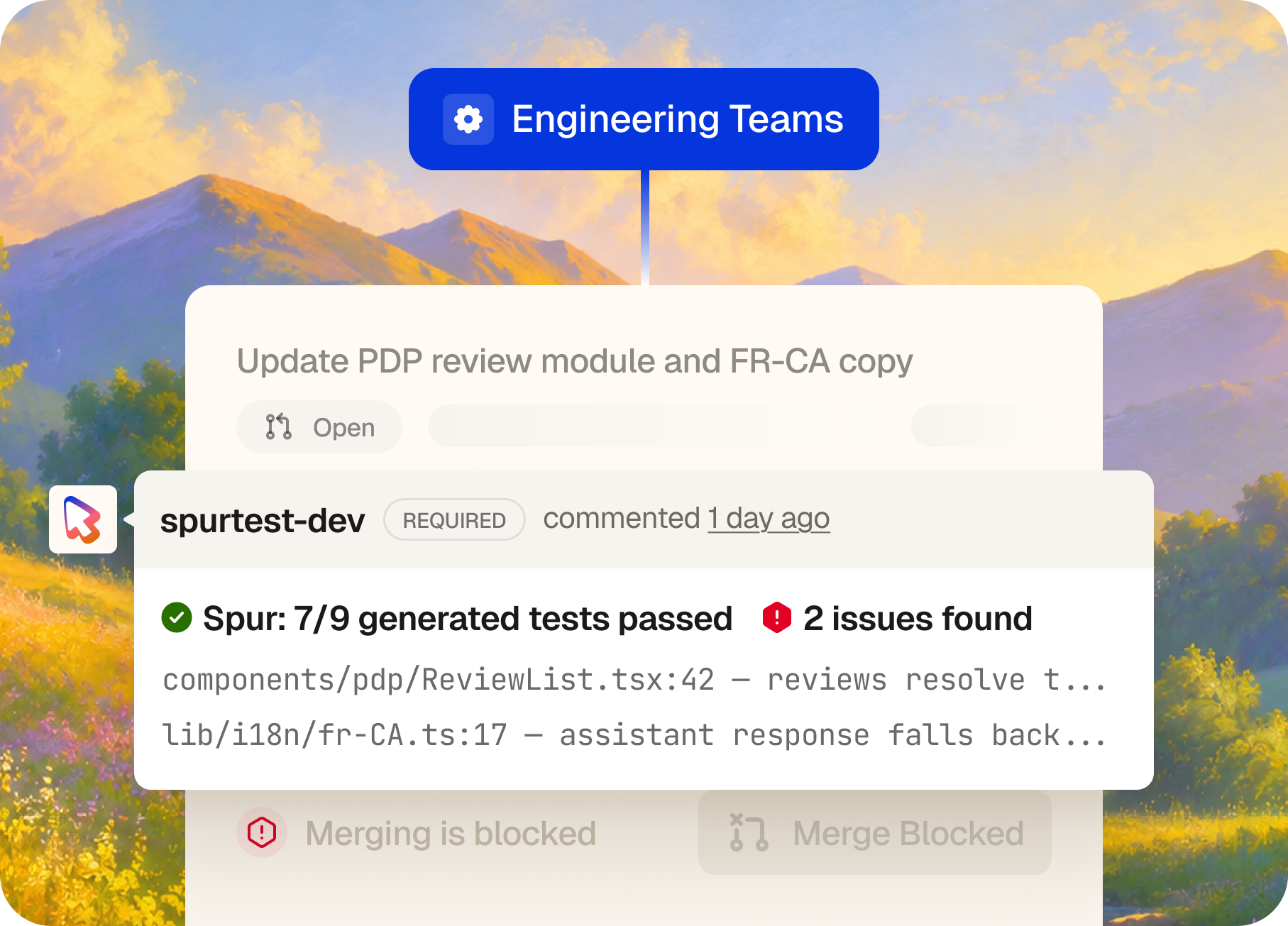
Validation runs on the pull request, before anything ships. Every change gets checked the moment it's proposed, not after it's already in front of a customer.

































Spur makes quality a growth lever, for every team that ships.
Validation stopped being QA's job the moment a merchandiser, a copywriter and a translator could change a product without touching code.

Validation runs on the pull request, before anything ships. Every change gets checked the moment it's proposed, not after it's already in front of a customer.

Runs on every pull request automatically
Blocks the merge when validation fails
Flags the diff, not the whole site
Results back before review finishes
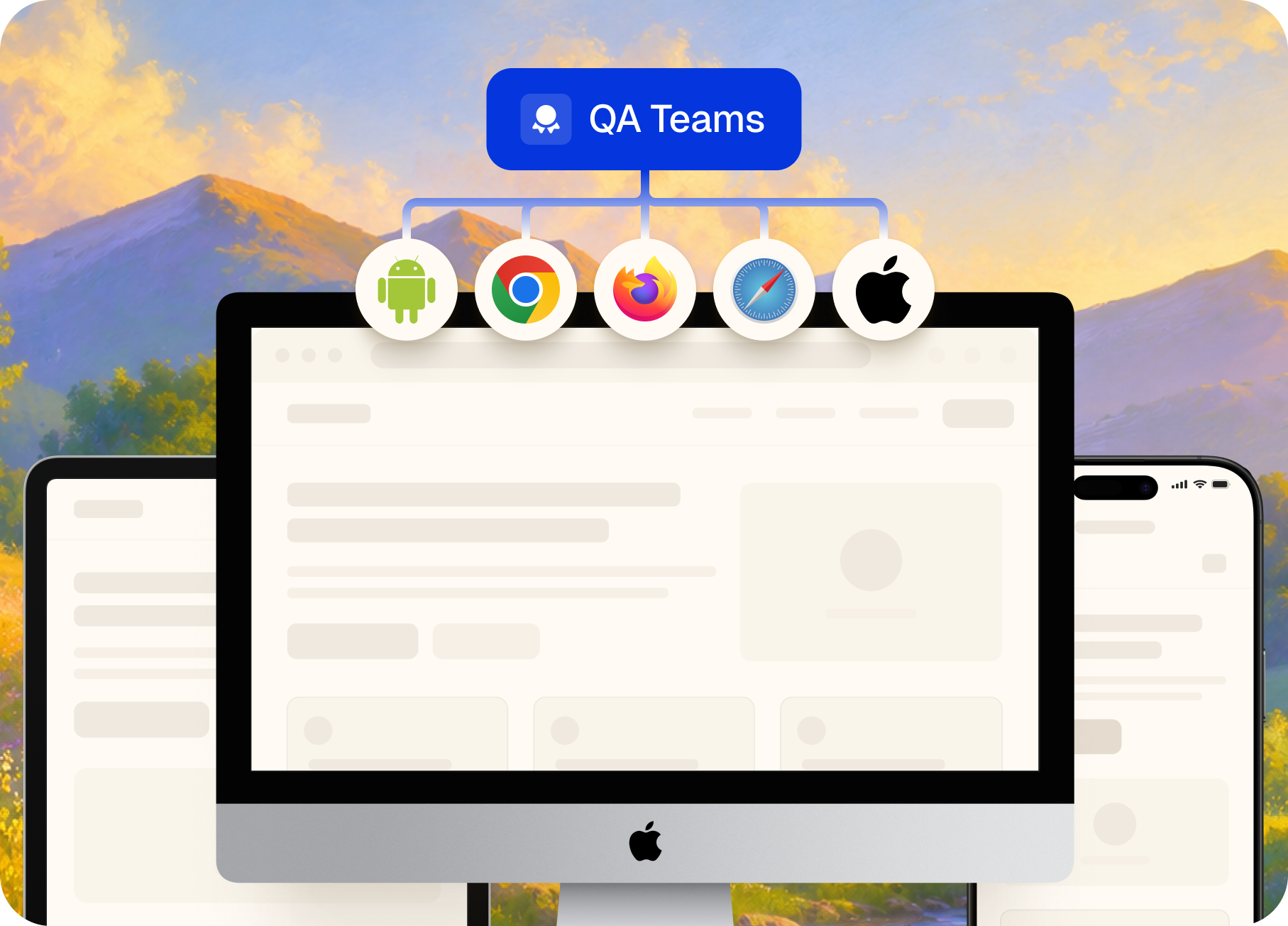
The full release gets validated in parallel, every surface at once. What used to be a serial pre-launch scramble runs as one pass across web, mobile, and every locale you ship to.
Full regression across every surface in parallel
Web, native mobile, and localization together
Catches what changed since the last release
Complete in minutes, not overnight
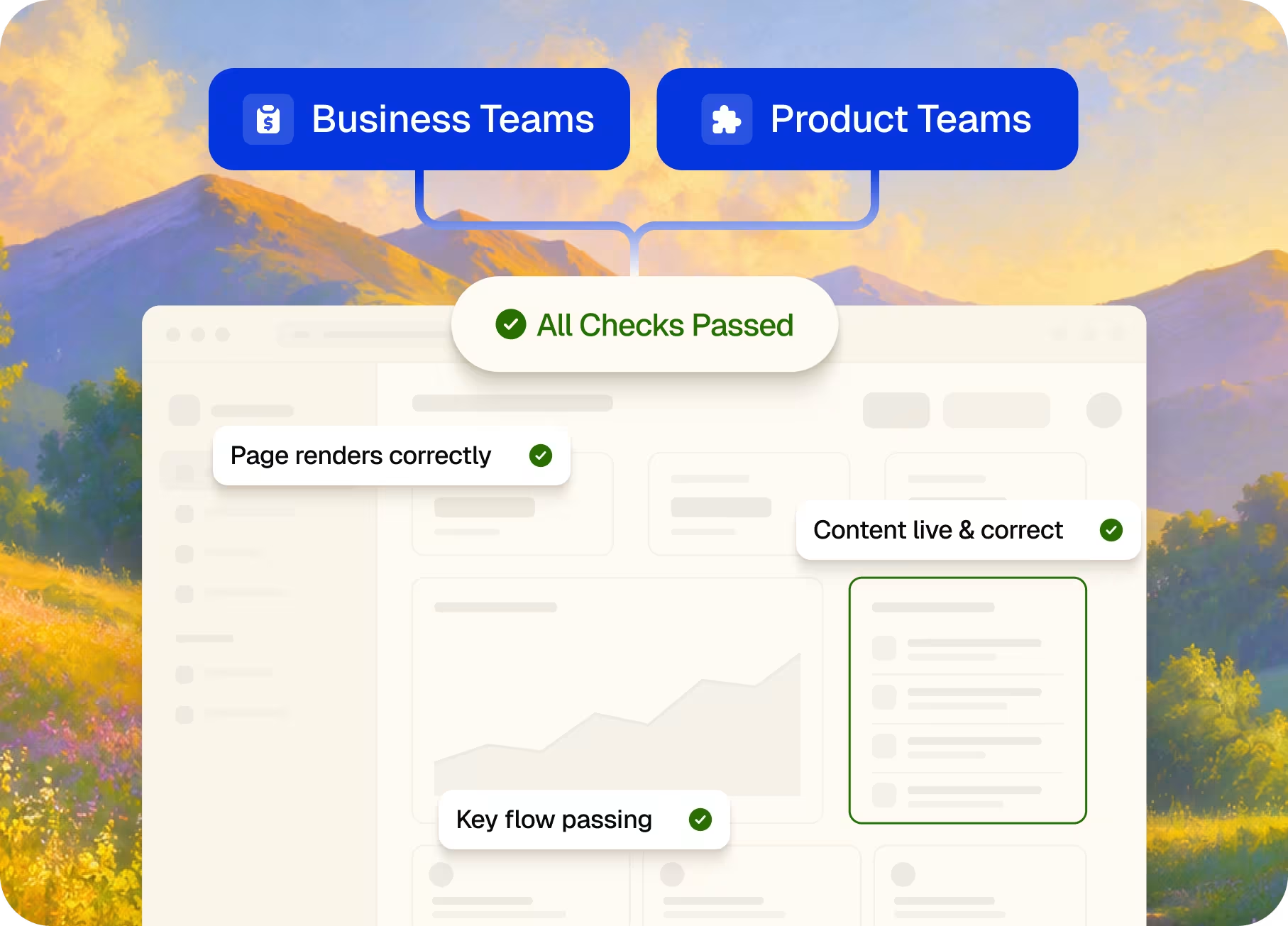
The whole release is validated as one the moment it goes live. Not a sample, not the happy path, every critical journey checked against what you actually shipped, while it matters most.
Validates the live release end to end
Confirms every critical journey in production
Watches the surfaces customers hit first
Flags regressions the instant they appear
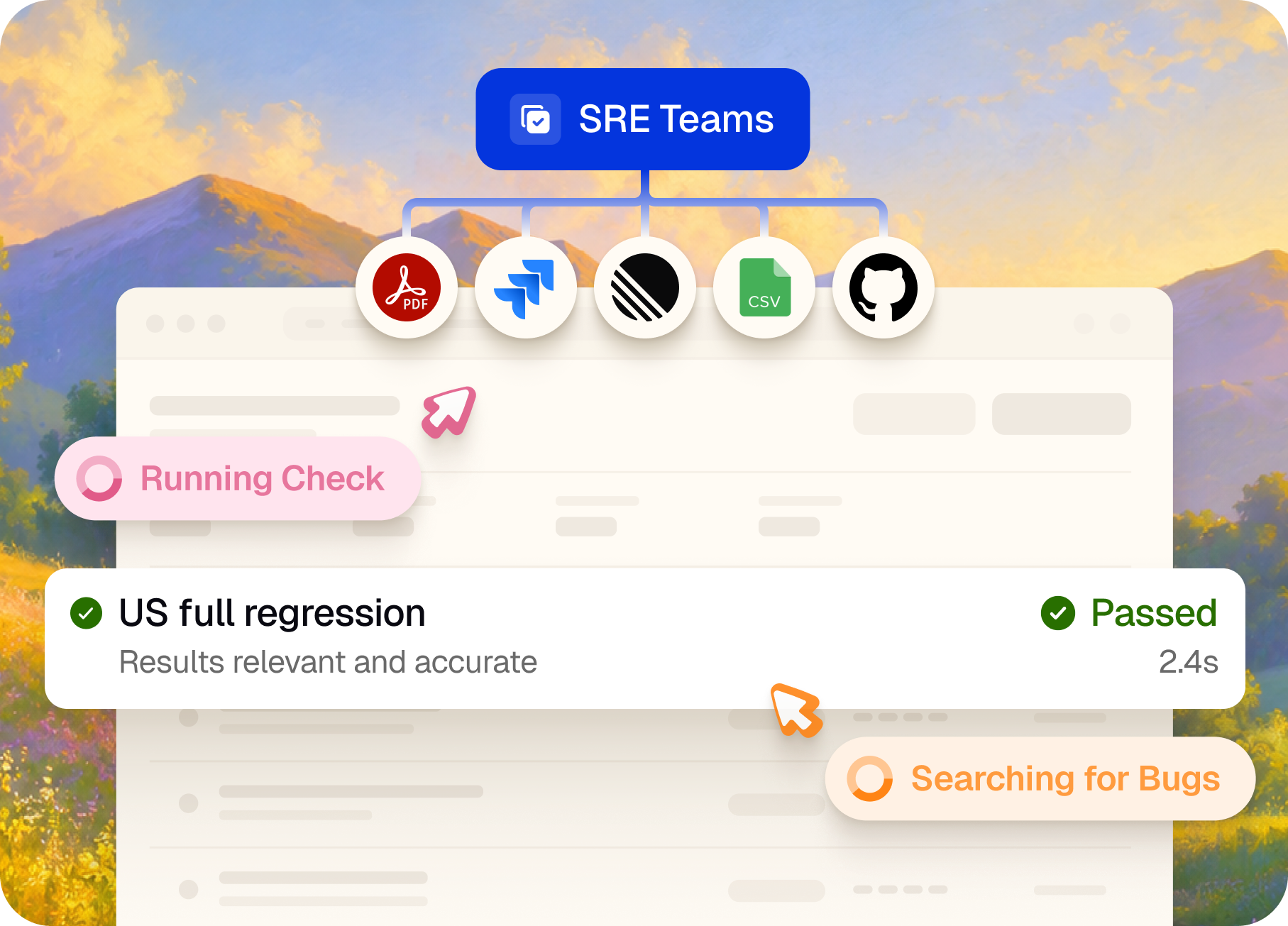
Validation never stops after launch. Spur monitors production continuously, from every region, catching the defects that only appear once real traffic, real data, and real integrations are live.
Continuous production monitoring, every region
Catches issues that only surface in the wild
Runs around the clock without a person watching
Alerts the moment something drifts



I got the login and just tried it. Without any training I had a comprehensive report in an hour, it called out every functional difference between the two pages, including translated content I’d never have caught by myself.



A launch used to cost us four hours of manual checking. Now the results are waiting when we log on, and we only look at what's flagged.

We spent six months on Playwright and still had partial coverage. Spur passed that in a single day, and QA stopped being one person's job.

Spur is our first big win company-wide in terms of implementing the use of AI agents. When we were able to share this with our greater team, everybody was almost in awe of what we were able to achieve.
.avif)

"It is definitely one of the most useful things we have had, not just for QA but for our company in general. I would just suggest other fintech teams try it out. It would give you more security that your actual money and your actual processes and flows are being covered very comprehensively."
Infrastructure to fuel validation at production scale
Put agents on every surface to automate every part of validation your team does today manually
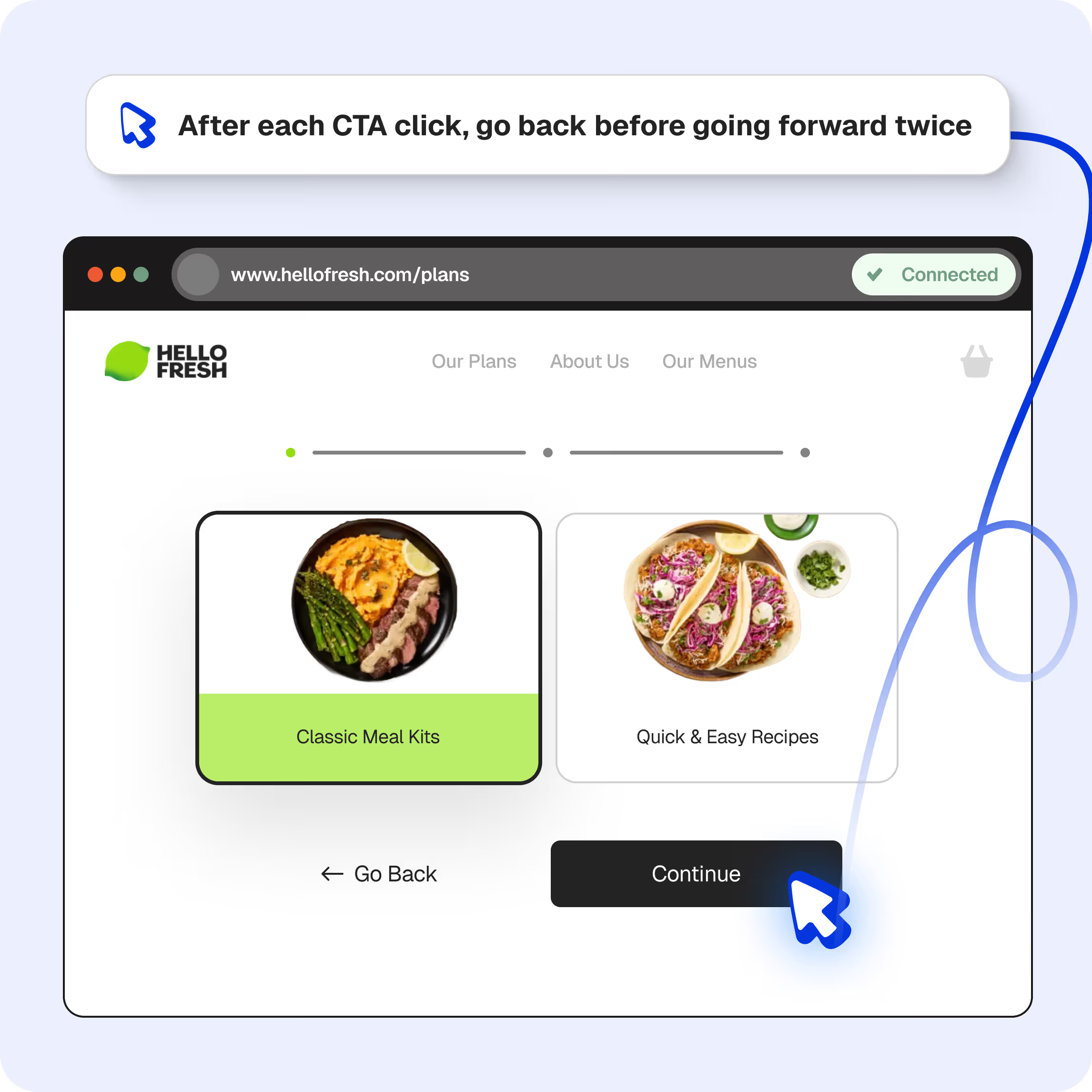
Run 100s of tests in parallel across Web and Native Mobile Tests
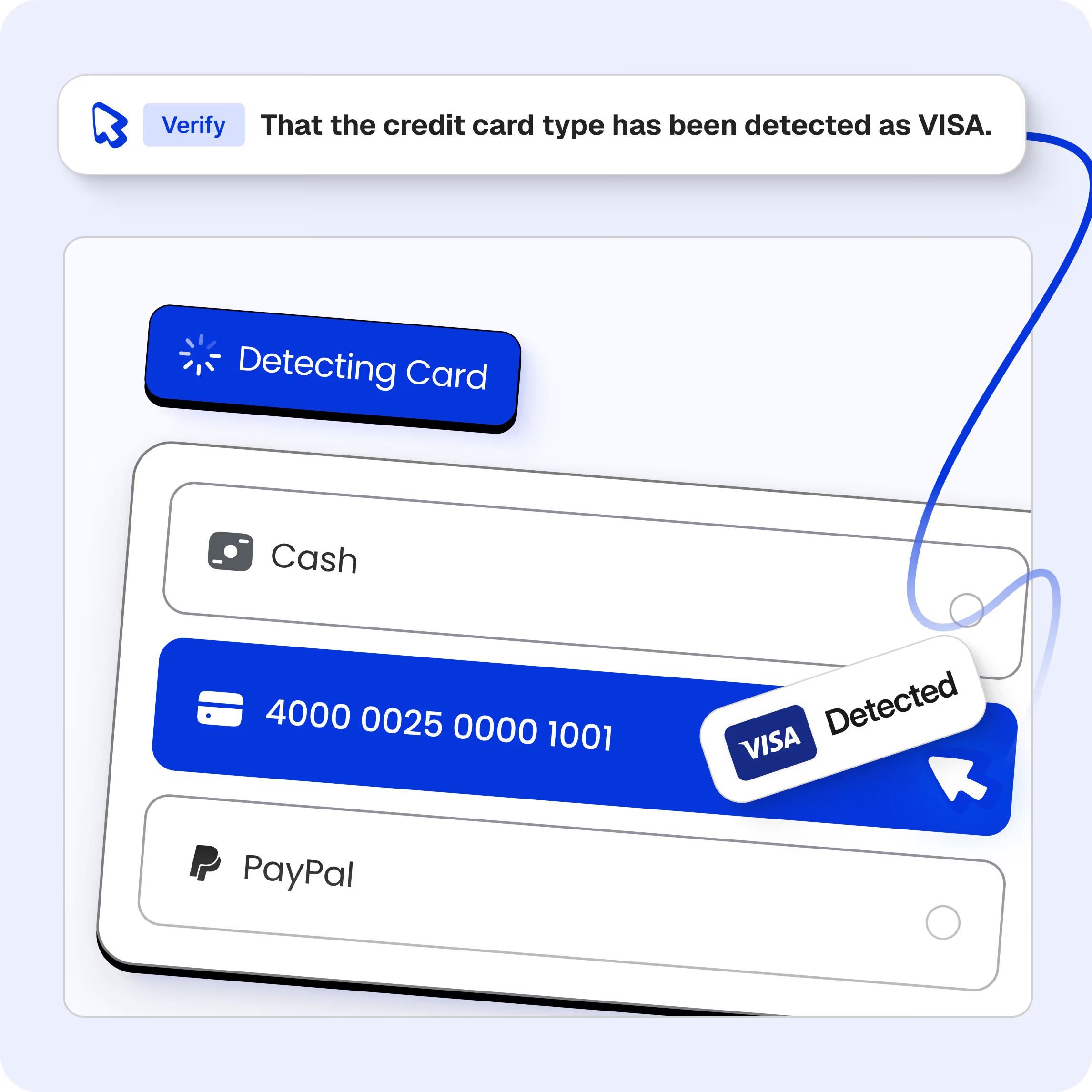
The AI Agent adapts to pop-up banners, cookies, promotions, items being out of stock dynamically


“I’m gonna see if I can expense Spur through my wellness stipend. Category: Therapy”

Last year my confidence going into Black Friday was a five out of ten. This year it's a ten out of ten.

"After 15 years in QA, I’ve never ramped up faster. Spur’s AI gives detailed feedback that makes dev handoff easy — and their support eliminated the pain of UI automation. I’d pick Spur over any other framework, hands down"

"Spur is shockingly easy to use—no coding, just plain English. Simply describe what you want to test, and Spur handles the rest. Onboarding was a breeze, and Anushka and Sneha are fantastic to work with."

Spur is our first big win company-wide in terms of implementing the use of AI agents. When we were able to share this with our greater team, everybody was almost in awe of what we were able to achieve.

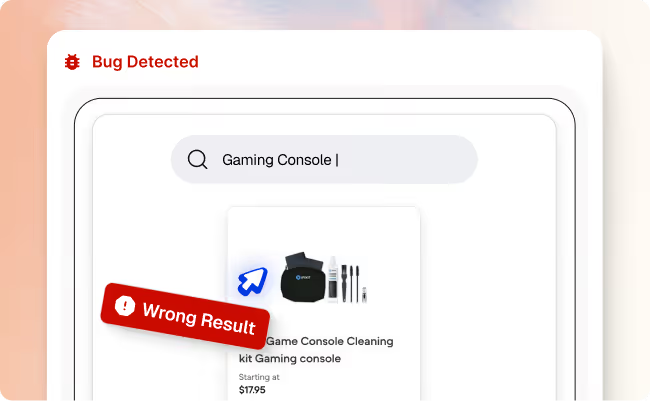
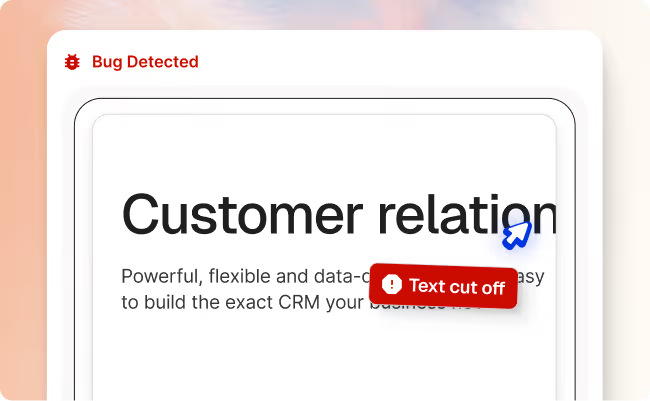
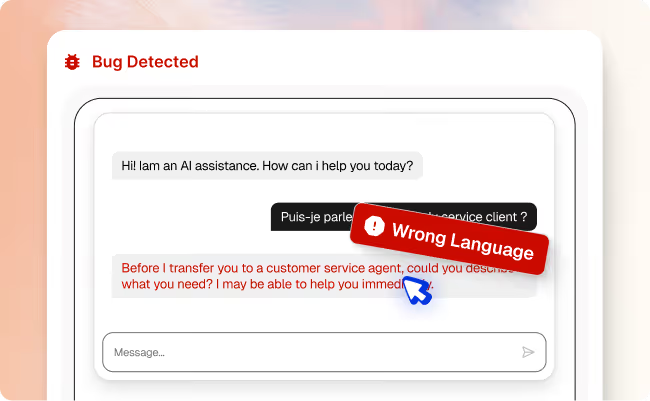
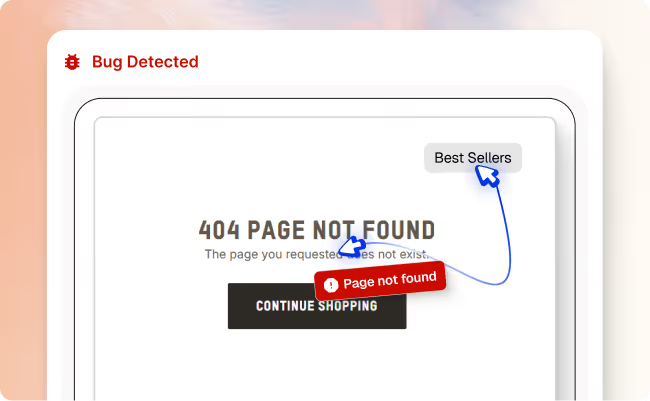
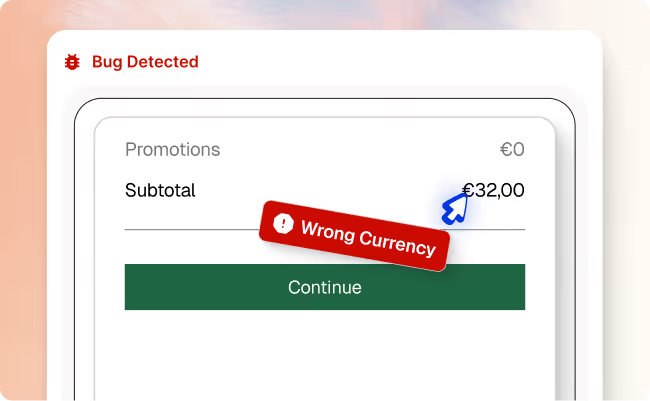
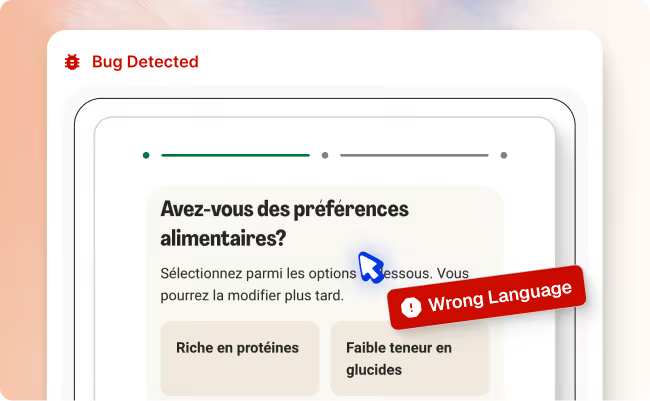
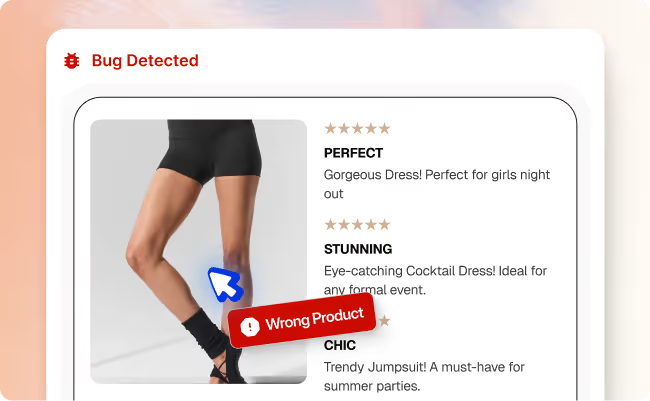
These are production bugs found for our actual customers
.avif)
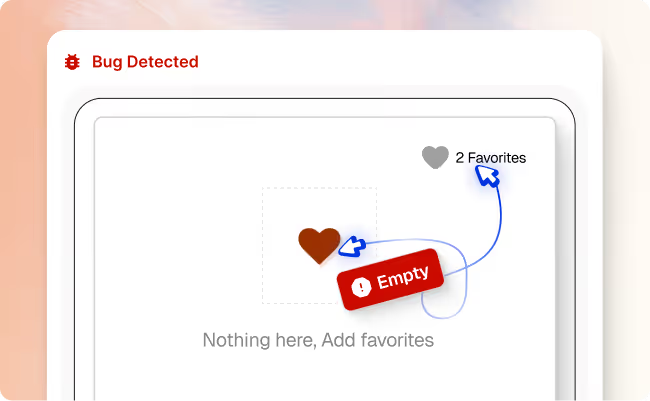
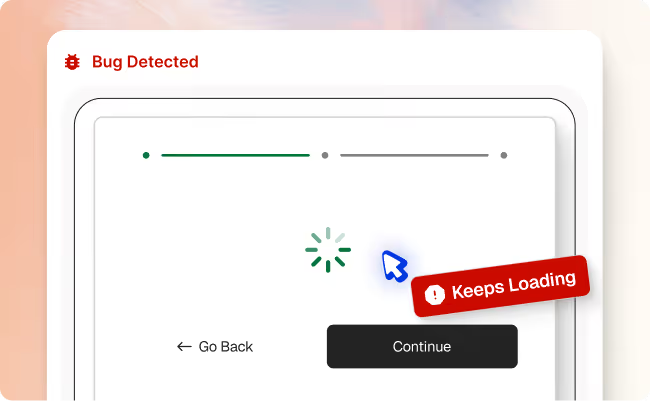
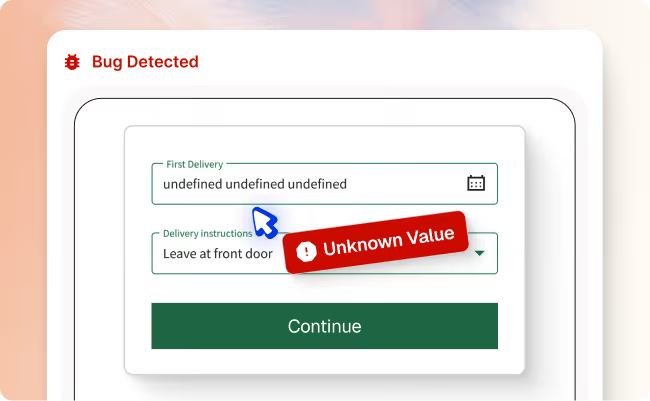
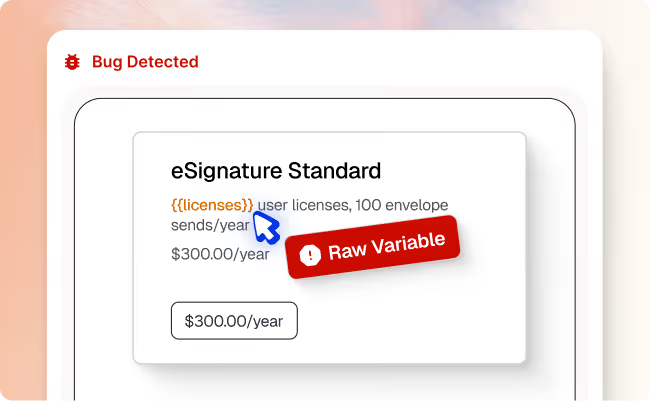
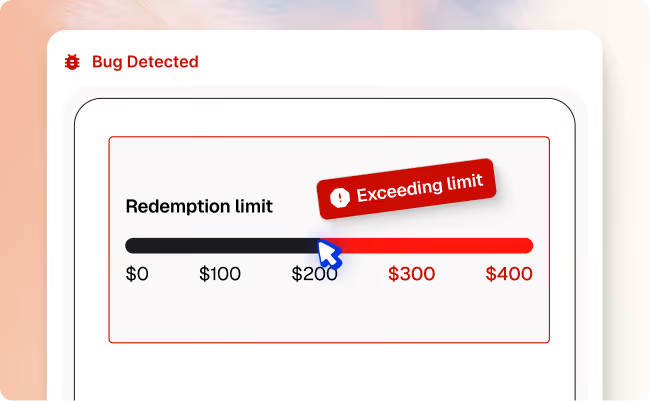
Platform: Native Mobile App (Android)
Device: Pixel 4a
Android Version: 35
User Type: Tobacco Member
Test Result: Failed at step 5 - Points display configuration error
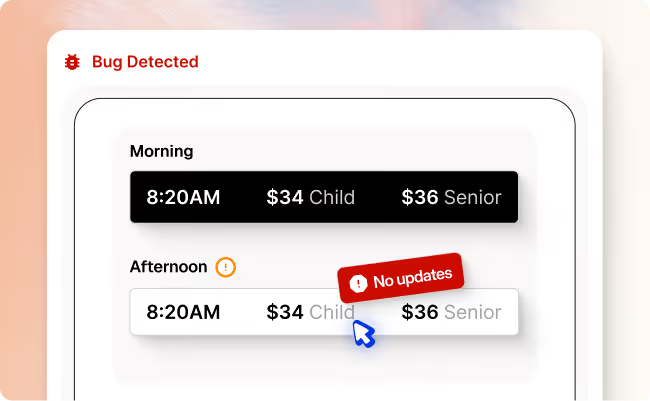
Platform: Web Browser
Website: Rockefeller Center
Test Type: E2E Purchase Flow
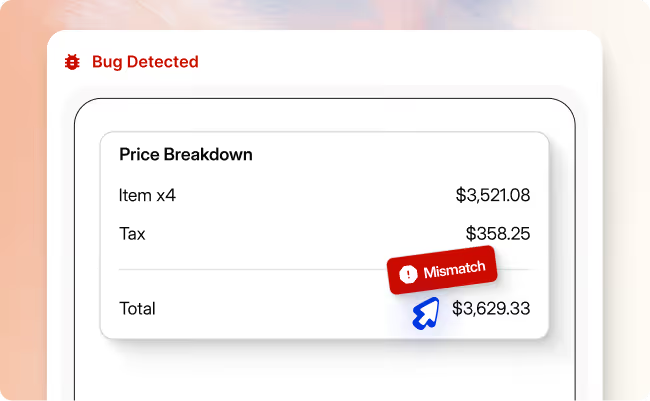
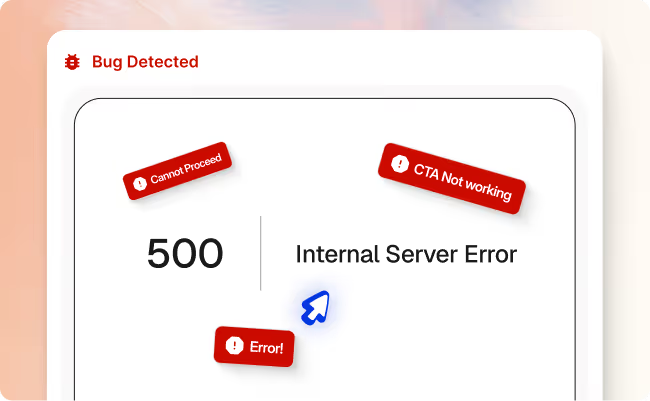
Checkout completion rate, conversion rate, revenue
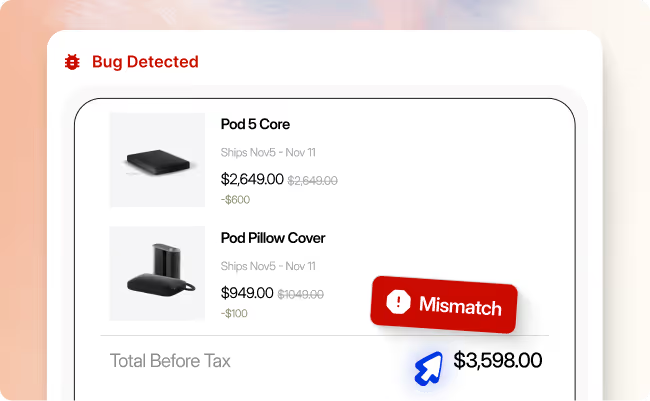
Revenue accuracy, pricing accuracy, discount validation, checkout conversion rate
Did we miss a question?
Email us directly
Most teams start with a 1–2 week POC on your real site and real use cases. We scope 2–3 flows that matter to you (regression, daily site validation, a launch), build the tests together, and agree success criteria up front.
Just a URL, we never need access to your codebase. If your site has bot protection, we'll give you our static IP list to whitelist (a standard step for most enterprise brands). For native mobile apps, we need a build file (.ipa / .apk). Test accounts help for logged-in flows.
Two steps: a call to understand your product and testing goals, then a working session where we set up your workspace and build your first tests with you.
No! Spur is a no-code testing platform, so you write all your tests in plain English instead of code. Anyone on your team (PMs, QAs, engineers, or CTOs) can create and maintain tests in Spur using natural language descriptions of the flows you want to cover.
95% of brands automate all core flows in the first month. Living Spaces went from 0 to 80% coverage in one month; Uncommon Goods hit 90%+ test accuracy in weeks.
How is Spur different from Selenium, Playwright, or record-and-play tools?
Scripted tools depend on selectors and break when the UI changes. Spur's agents execute intent - "add a medium black legging to cart and check out" - so tests survive redesigns, A/B tests, and daily merchandising changes. That's why maintenance drops to near zero.
The agent adapts dynamically - it dismisses banners, picks in-stock variants, and keeps going the way a real shopper would.
Every run produces full video playback and step-level evidence, so you can see exactly what the agent saw. Customers report ~80% fewer false positives than scripted suites.
Mostly no one - intent-based tests adapt. When something does need updating, it's a plain-English edit, and our team helps.
Yes, with standard setup: test accounts, whitelisted IPs, and OTP handling. For sites with strict bot protection we work with your security team.
Yes - data tables let you write a flow once and run it against a table of products, markets, or configurations.
Yes - iOS and Android, using your build file. Tests are written once in natural language and run across web, iOS, and Android. Visit the Mobile QA page for more info.
Yes - teams run daily production validations and even live payment flows. You control environments (dev/staging/prod) per test plan.
Yes - the AI Feature Testing agent stress-tests conversational and dynamic experiences.
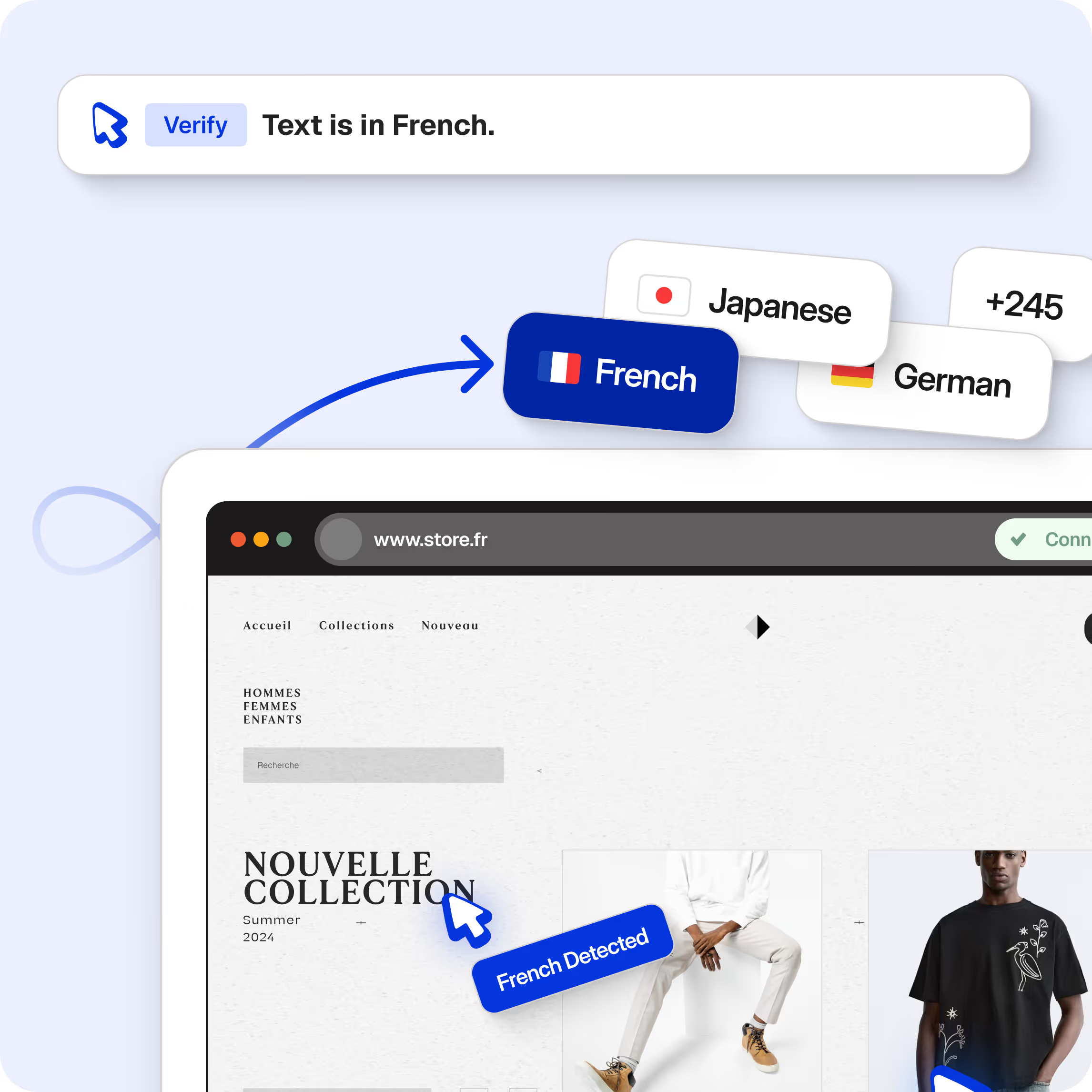
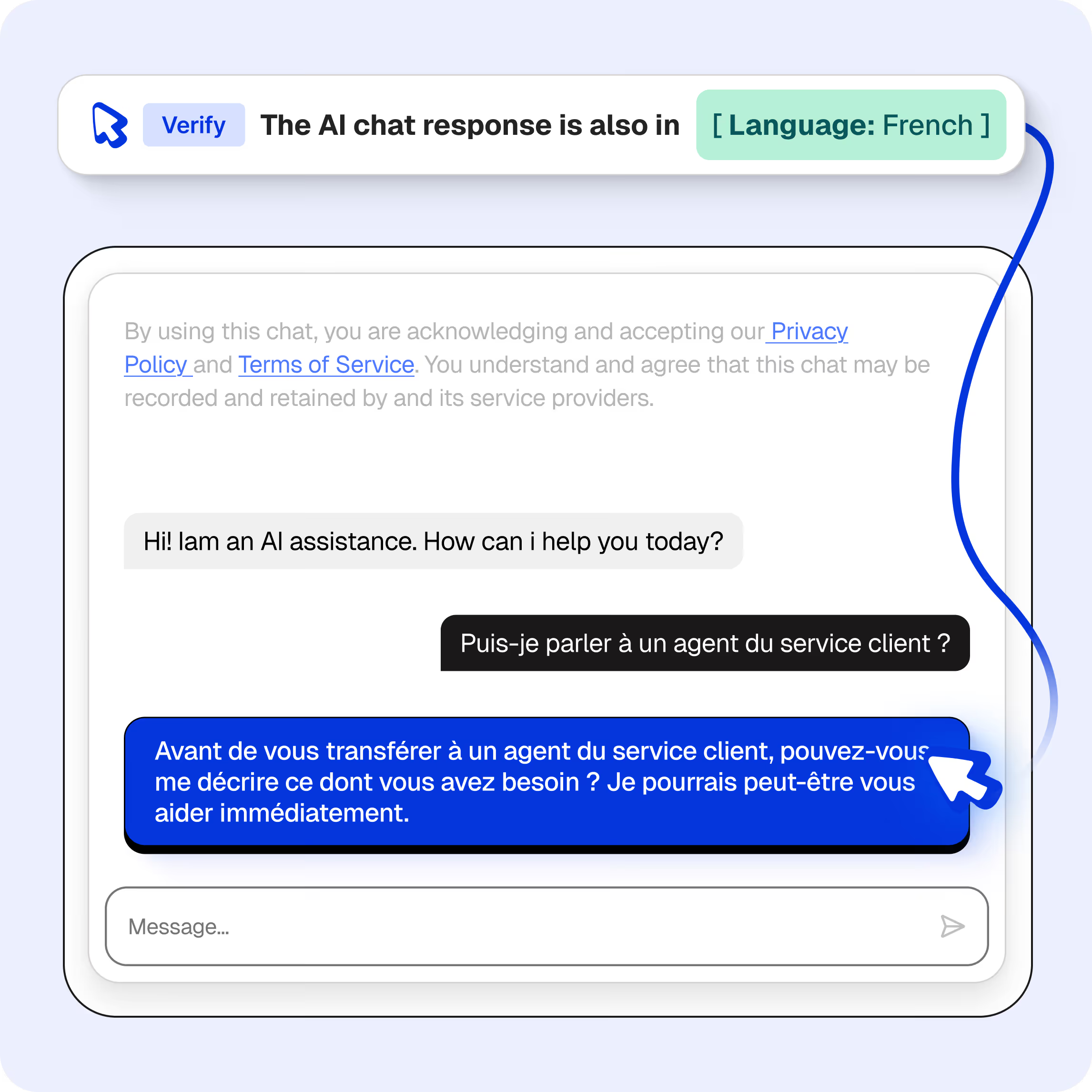
Yes - language, currency, and formatting validation across locales.
No. Spur tests from the outside, like a real user. You provide a URL (and a build file for native apps).
Yes, Spur is SOC 2 Type 2 compliant.
If your site uses bot protection, yes - we provide a small static IP list; most enterprise security teams approve it in a standard review.
Spur's testing agents visit your site to run automated tests, so their activity can appear in your analytics alongside real visitors. To keep your data clean, you can exclude them by filtering out Spur's User-Agent or our static outbound IP addresses in your analytics tool. Reach out to our team and we'll share the exact User-Agent and IP list so you can flag our traffic as ignored.
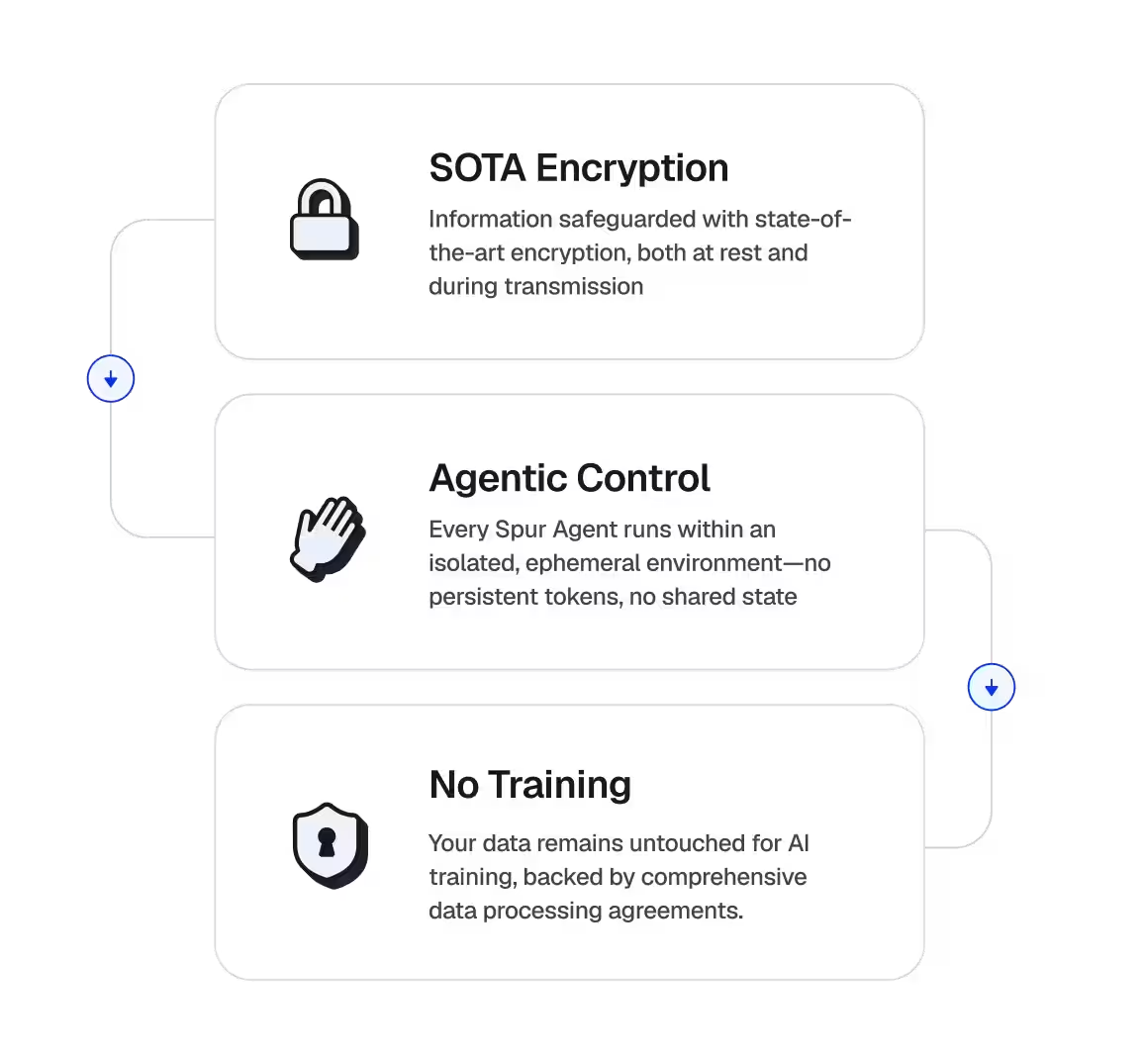
Configurable data retention and deletion policies, continuous vulnerability scanning and pen-testing, 99.9% uptime with multi-region redundancy.
Annual plans based on test-run volume - not per seat, so your whole team (QA, PMs, engineers) can use Spur. Plans include parallel execution and support. Book a demo for a quote tailored to your release cadence.
You're never auto-billed for overages - we flag usage and agree on any changes together. Annual allotments flex around peak periods.
Yes - Spur imports from test management tools (e.g., qTest, Zephyr) and converts cases to runnable tests in minutes.
Spur currently supports CI/CD integration through GitHub Actions. You can run Spur tests as part of your GitHub workflows (for example, on each pull request) and use status checks to block merges when tests fail, using GitHub’s branch protection rules.
Every customer gets a dedicated Slack Connect channel with our team. Plans include unlimited test-creation support, and higher tiers include full test management.
You can invite teammates to Spur from your team or workspace settings. Open your team settings, click Invite (or “Invite team members”), enter their email address, choose a role, and send the invite. They’ll get an email to create their account and will appear in your team list once they accept.
You can follow step‑by‑step guides in our docs to write your first tests, and many teams also get a guided onboarding during their pilot.

We invite you to try us out with our new Pilot Program