
Case Study - Docusign
Docusign made its revenue path safe to ship with one validation layer


COMPANY
Global leader in electronic signature and Intelligent Agreement Management; 1.9M+ customers, 1B+ users worldwide
INDUSTRY
Agreement Management · Enterprise SaaS
COMPANY SIZE
7,000+
FOUNDED
2003
9
Days from kickoff to green,
with 6+ engineers onboarded and 30+ tests live.
4 → 1

Automation stacks down to one validation layer.
Playwright paused, UiPath maintenance-only.
26
Defects caught in three months
on the subscription funnel, including a P0 in trial signup.
Summary
Docusign’s self-serve revenue path covers signup, trial, upgrade, downgrade and checkout in every locale, SKU and payment method. Validation set the release pace: three days a release across four automation stacks. Spur became the validation layer and went green in nine days. Four stacks became one. Regression dropped to a few hours with the same three people. Spur caught 26 defects in three months.
“This is a migration we are doing, and the best part is everything happened without any noise. We moved a lot of tests into Spur, and things happened magically behind the scenes.”
— Aditya Satpathy, Engineering Leader, Docusign
The problem
Validation was the bottleneck
More than 1.9 million customers use Docusign. A bug on the self-serve funnel is a subscription that doesn't convert, so nothing ships until it's validated.
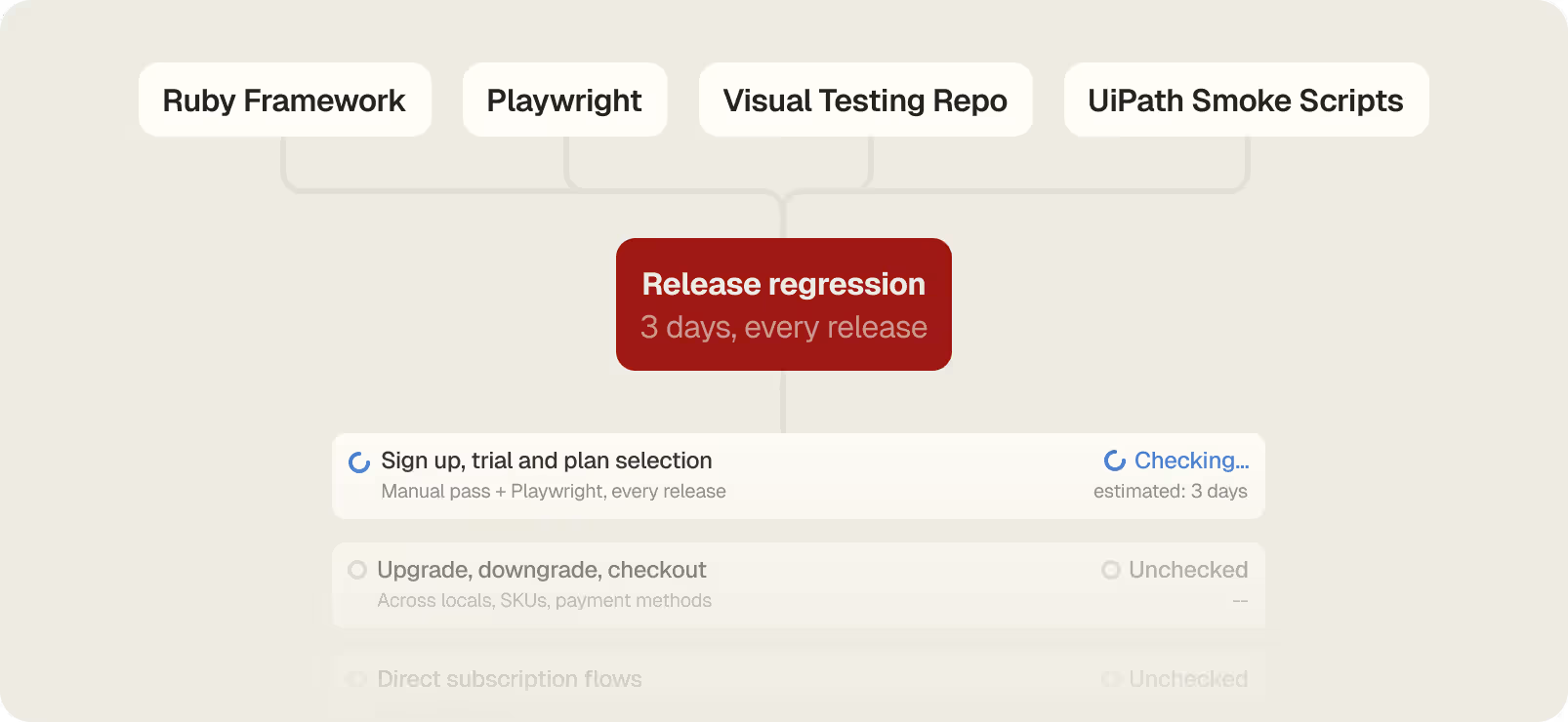
Engineers maintained Ruby, Playwright, a visual-testing repo and UiPath instead of shipping. Regression still took three days. The direct subscription flows had never been validated automatically.
What changed
One validation layer, green in nine days
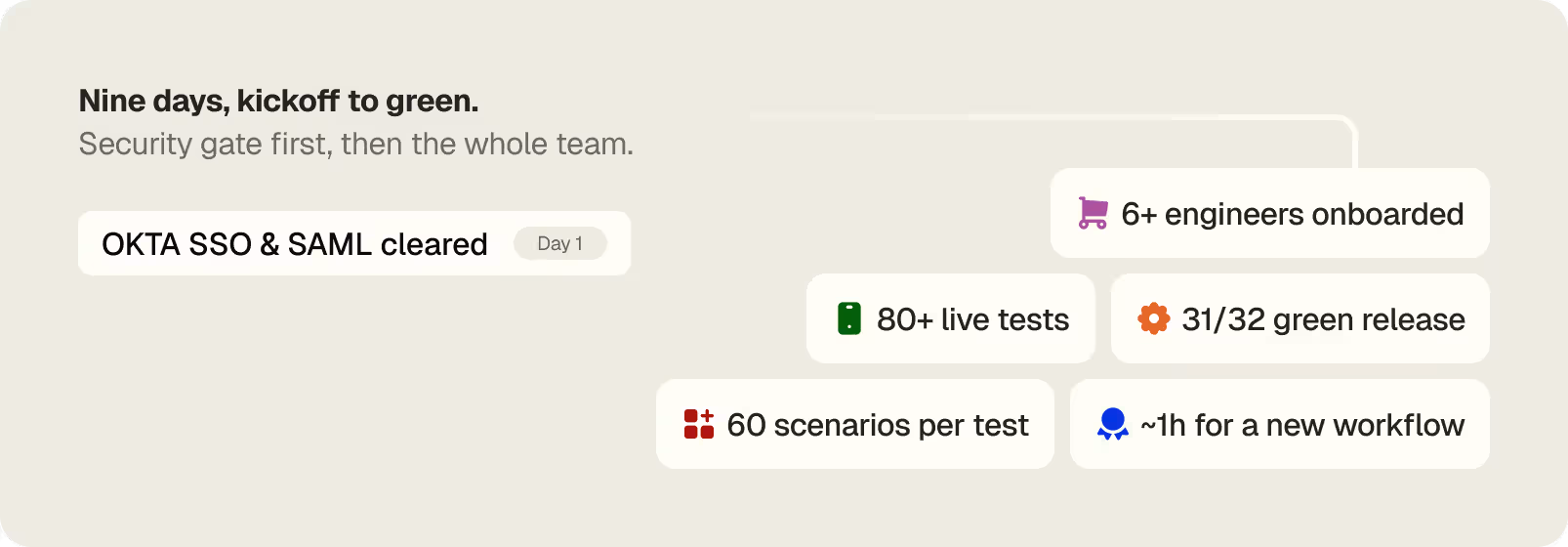
Docusign started with ten critical flows. Nine days later, the first regression passed 31 of 32. A new workflow takes about an hour. One test expands into up to 60 locale × SKU × payment-method scenarios. 80+ tests now cover signup, plan changes and checkout on every payment type.
Spur validates every weekend before release, and on every deploy and hotfix. It is now the primary validation layer. Playwright is paused and UiPath is maintenance-only.
“If you are doing it for more than three releases in sequence, that qualifies to be added as a Spur test case.”
Validation infrastructure, inside the firewall
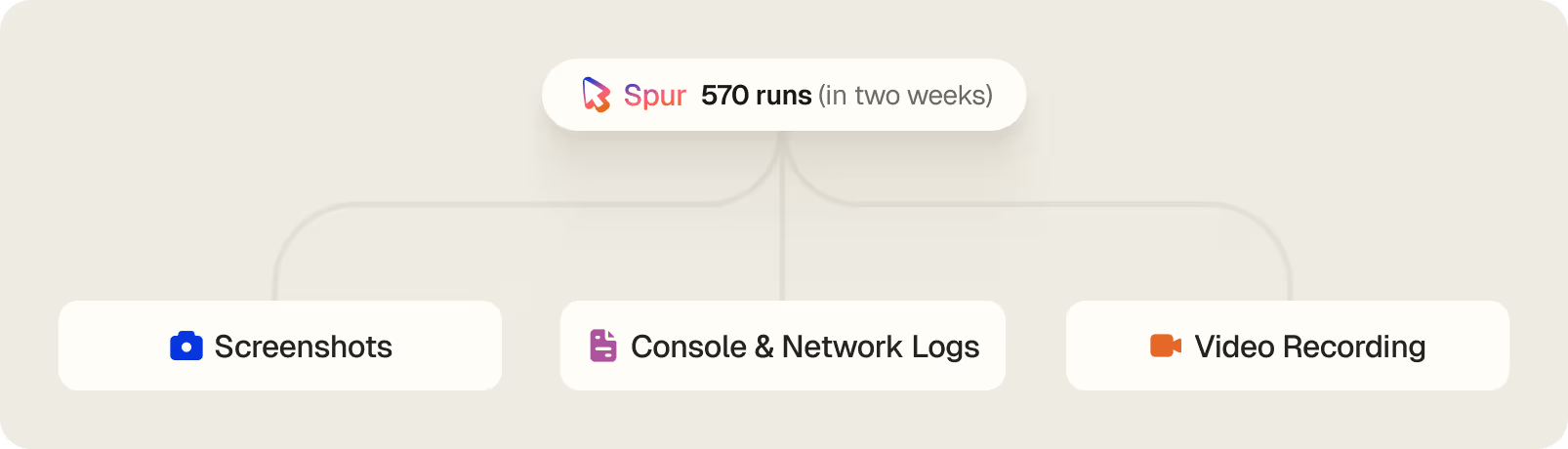
Spur runs from dedicated, allowlisted IPs behind Docusign’s firewall and bot detection. Every run leaves evidence: screenshots, console and network logs. Defects go straight to Jira.
Results
26 defects caught, one Sunday hotfix made safe to ship
Spur caught 26 defects manual passes had missed, including a P0 break in trial signup and a raw {{name}} template string in a checkout button. None were scripted in advance.
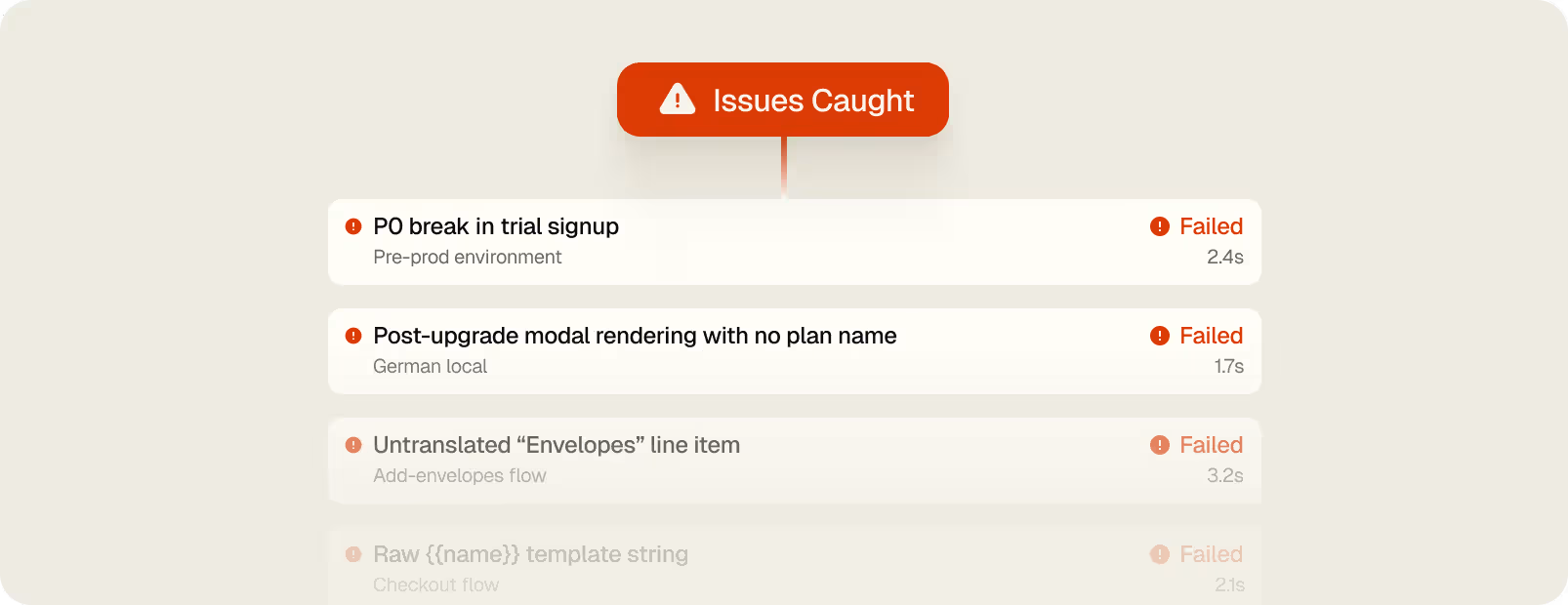
One Sunday, a certificate update had to ship with no QA team online. The on-call engineer ran the full regression plan alone and had P0 flows validated, with evidence, in under an hour.
“It’s very easy to run coverage whenever something changes and we want to at least check our P0 use cases.”
What’s next
Spur is spreading to the www.docusign.com and Web Ops teams. Regression is now down to a few hours, so releases move at the speed the team builds.
“Our goal has to be no more manual tests.”
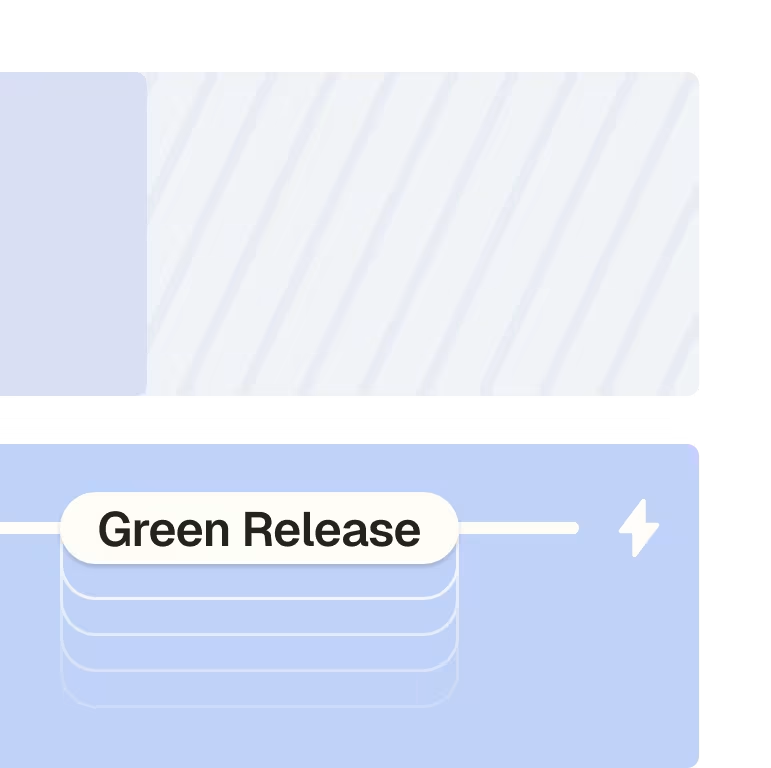
9
Days from kickoff to first green release
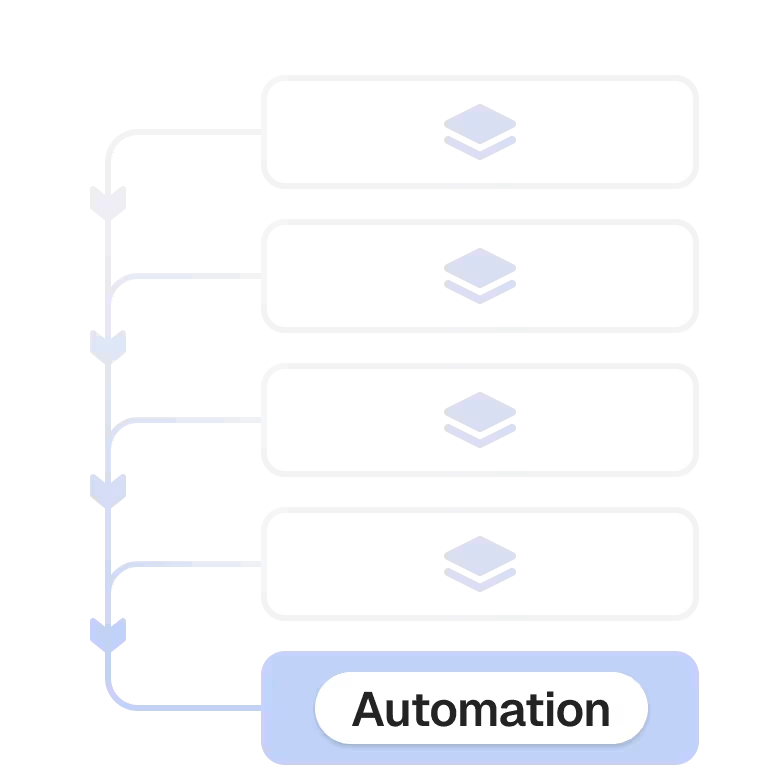
4 → 1
Automation stacks consolidated into one validation layer
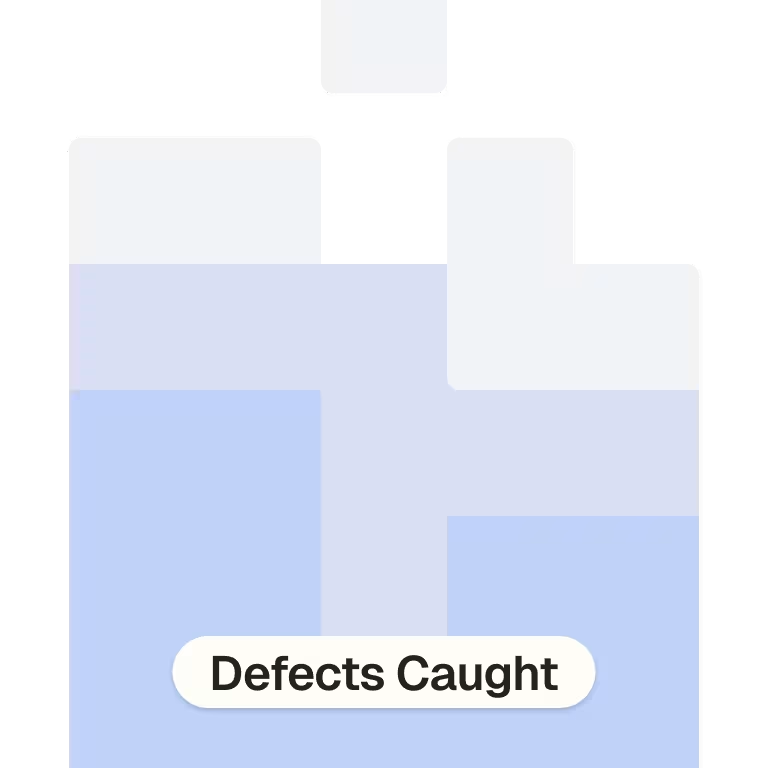
26
Defects caught in three months, including a P0

Key Insights
Validation was the bottleneck. In nine days, four automation stacks became one validation layer. Regression fell from three days to a few hours with the same three people, and an on-call engineer confirmed a Sunday production hotfix was safe to ship, alone, in under an hour.