
Case Study — Our Place
How Our Place Automated 80% of Its QA Coverage and Freed Up Its Team's Time


COMPANY
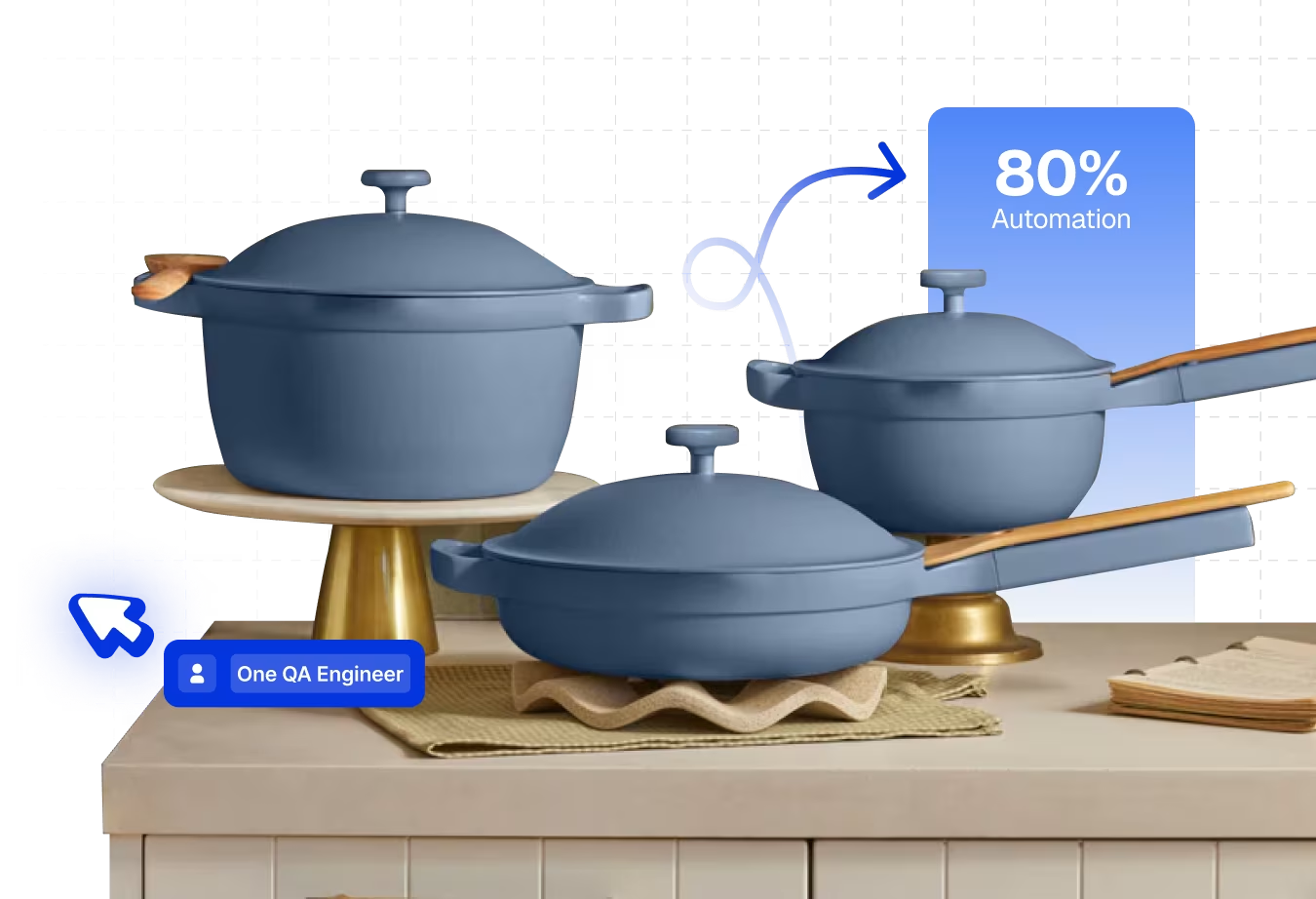
OurPlace is a direct-to-consumer cookware brand running five international storefronts on Shopify.
INDUSTRY
E-Commerce ($20 Million)
COMPANY SIZE
51–200
FOUNDED
2019
80%

Automated test coverage
reached across storefronts.
5

International storefronts
covered by automated smoke tests.
1
Engineer now runs QA
for all five storefronts.
The Challenge
Launches used to pull in the whole team and that was a problem.
When OurPlace's QA engineer joined two years ago, there was no testing process at all. He built one from scratch. But even with a structured workflow in place, launches remained a heavy lift, a multi-hour call, three or four people, every storefront, every device. Developers and product managers doing work that had nothing to do with their jobs.
"I kind of had the feeling that QA was a burden for other people that had different technical roles and that shouldn't be their responsibility."
Automation was the obvious fix. But the obvious fix had already failed. Open-source frameworks like Playwright couldn't survive Shopify's pace of change: new products, sales events, app updates, admin settings touched by teams outside engineering. Scripts would break constantly, and maintenance became a job in itself.
The only automation that stuck was API-level price checking. Which meant they could verify numbers in a database, but not pricing badges, banners, or anything a shopper actually sees on the page.

The Solution
The tool that worked from minute one.
OurPlace ran a proper evaluation, Rainforest, Lambda Tests - Kane AI, and Spur, measured against test reliability, ease of creation, and the pricing use case that mattered most.
Kai struggled. A basic end-to-end test took over 30 minutes. Marketing popups broke runs outright. Instructions had to be extremely verbose just to get the agent to behave.
Spur was different from the start.
"From minute one we had the feeling that the tools and the agents Spur was leveraging were more advanced. With the demos, you were just writing test steps live and they were actually working."
His workflow has since evolved into something closer to orchestration than scripting. He feeds his existing manual test cases through the Spur MCP, using Claude or ChatGPT to translate them into Spur test steps, reviews each proposal before it's pushed, triggers focused runs, and has the agent pull and triage the results. A custom rules file tells Spur how he likes to work.
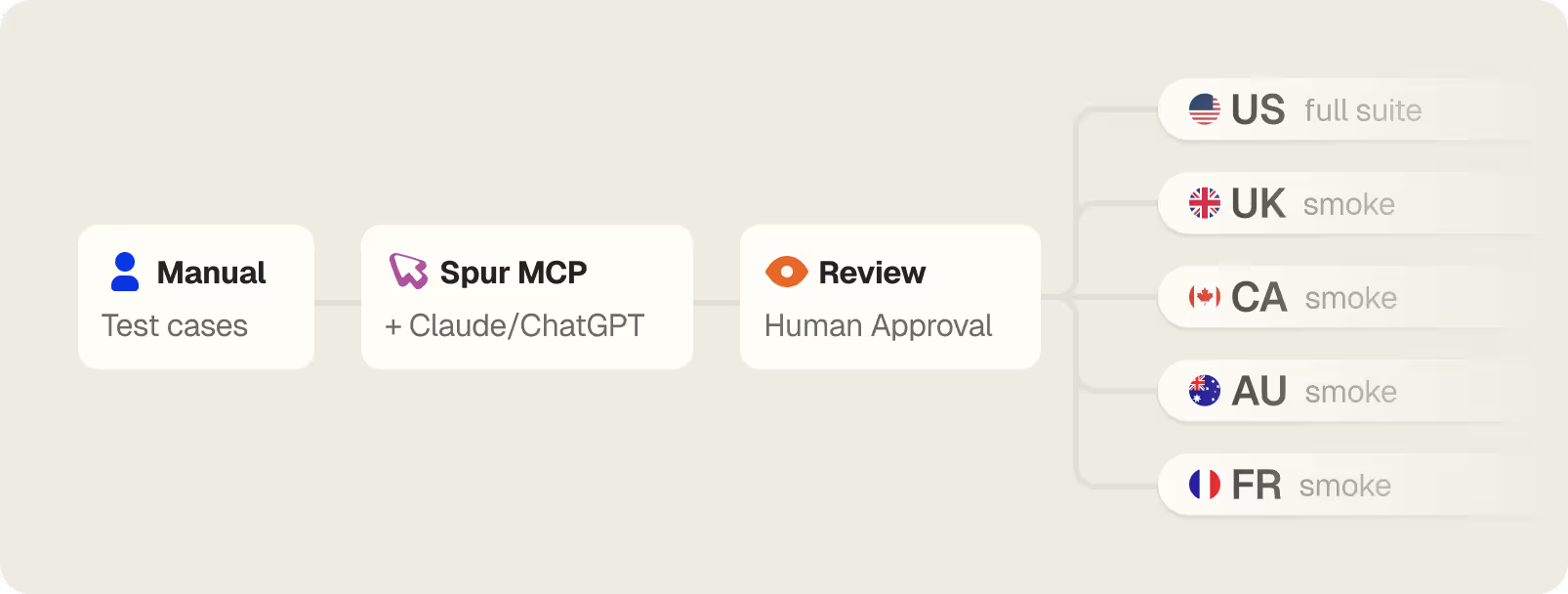
"I am not writing Spur test cases manually anymore. I do it all through the MCP."
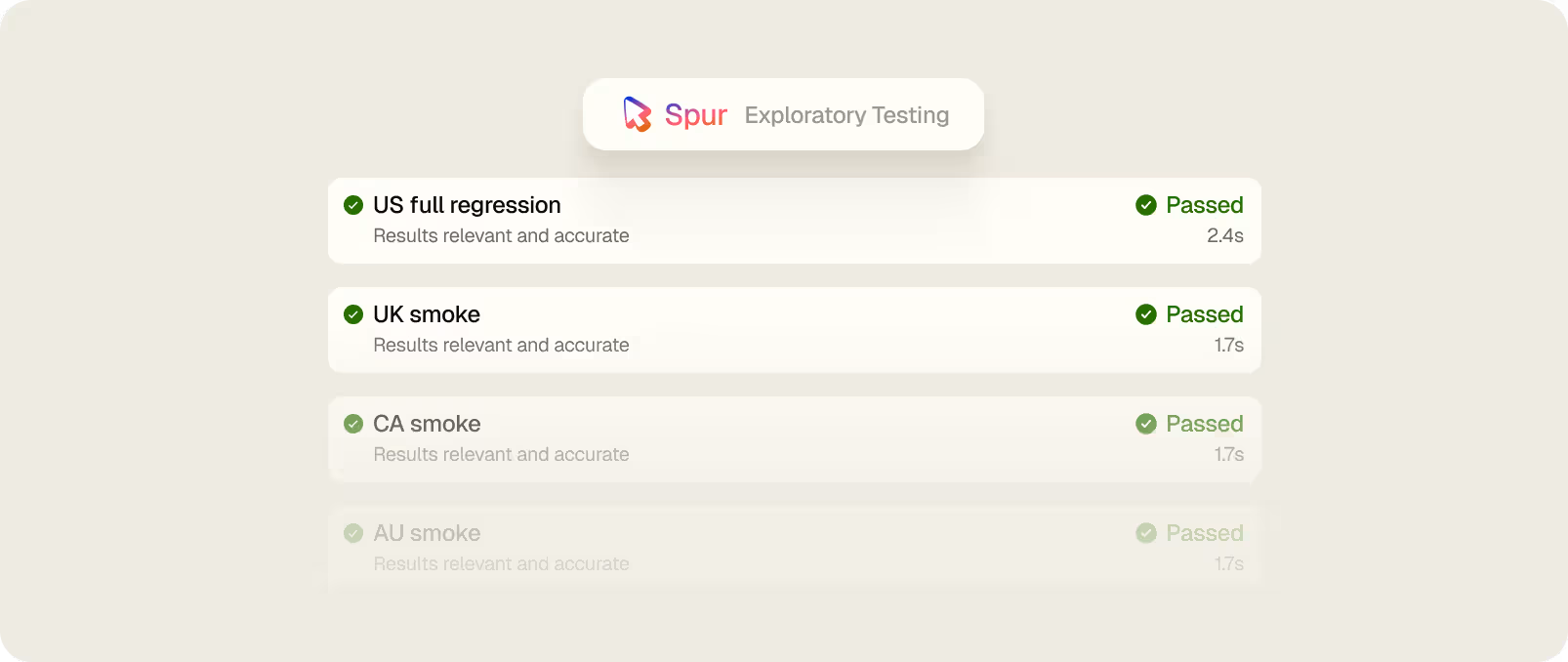
Smoke tests now run across all five storefronts and a full regression suite covers the US market.
The Results
Launches changed and the team got their time back.
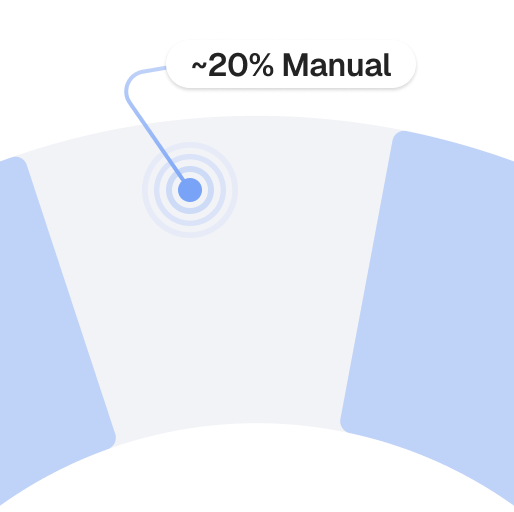
OurPlace reached 80% automated test coverage, the threshold the team defined as enough to release with confidence. But the bigger shift was what launch day actually felt like.
"During these launch calls, I am able to focus more on exploratory testing and just delegate the regular regression and smoke testing to Spur. I know that in the background, Spur is doing the heavy lift."
The repetitive regression checks happen automatically. Developers and PMs are off the hook. The QA engineer is free for the visual and content bugs that only human judgment catches, the kind of testing he was hired to do.
Spur's support model helped too. Issues he reported were resolved with fixes in place the next day through a direct Slack line.
Asked what it would be like to go back, his answer was direct:
"I wouldn't feel comfortable, because that would mean I would need to spend a lot of time running repetitive tasks again. With Spur, we do feel more comfortable."
80%
Automated coverage
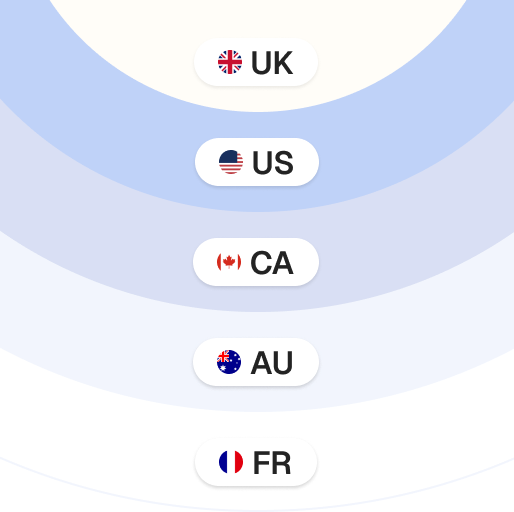
5
Storefronts automated
1
QA engineer, whole operation


Key Insights
OurPlace didn't just automate tests. They automated the entire launch ritual, the multi-hour calls, the pulled-in developers, the repetitive regression that ate up the one person actually responsible for quality. 80% coverage across five storefronts. One engineer. No scripts to maintain. That's what happens when QA stops being everyone's problem and starts being a system.